


Expanding sexual and reproductive health access for young people in Bangladesh
The context and the challenge
In Bangladesh, young people’s access to sexual and reproductive health and rights (SRHR) information and services is severely limited. According to the 2022 Bangladesh Demographic and Health Survey, approximately 24% of adolescent girls aged 15 to 19 have already begun childbearing, yet nearly 46% do not use any form of contraception. Within the health system, family welfare assistants frequently lack the skills and motivation to provide inclusive SRHR services. In schools, inclusive SRHR information is largely absent, leaving many young people without it entirely.
KIT Royal Tropical Institute, funded through NUFFIC and the Netherlands government, commissioned MDF Bangladesh to help address this through training under the We CARE programme, a collaboration of Bangladesh government agencies working to develop three curriculums on sexual and reproductive health and rights.
The approach: Pilot training and Training of Trainers for healthcare workers
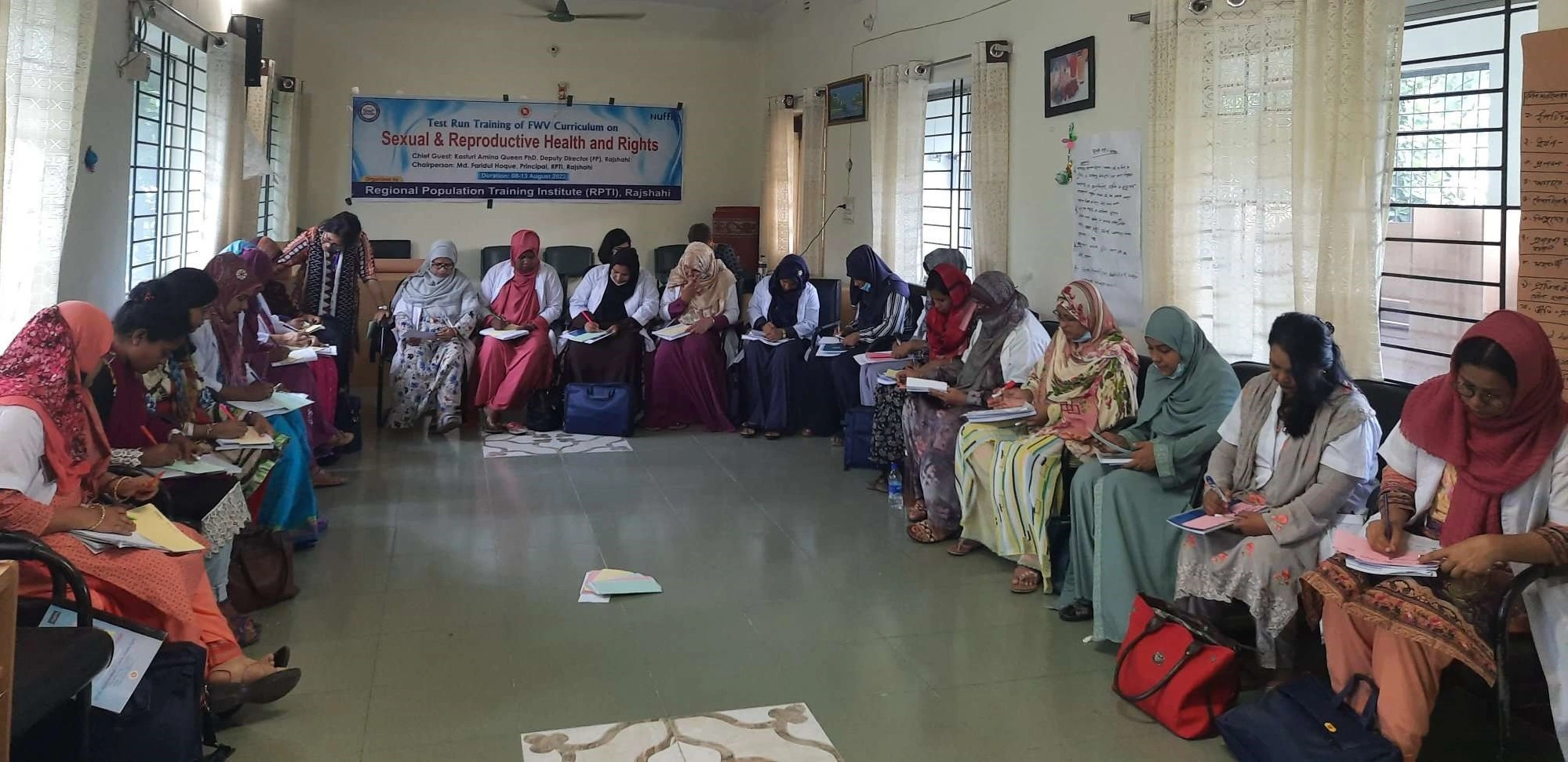
MDF Bangladesh facilitated a pilot training programme and a Training of Trainers for multiple target groups: family welfare visitors, family welfare assistants, medical officers for maternal and child health, Upazila Family Planning staff, and sub-assistant community medical officers across different districts of Bangladesh.
As a result, over 30 advisors are now equipped with SRHR outreach information. They are actively referring young women and men, people with disabilities, and indigenous groups with unmet family planning needs to SRHR services.


