


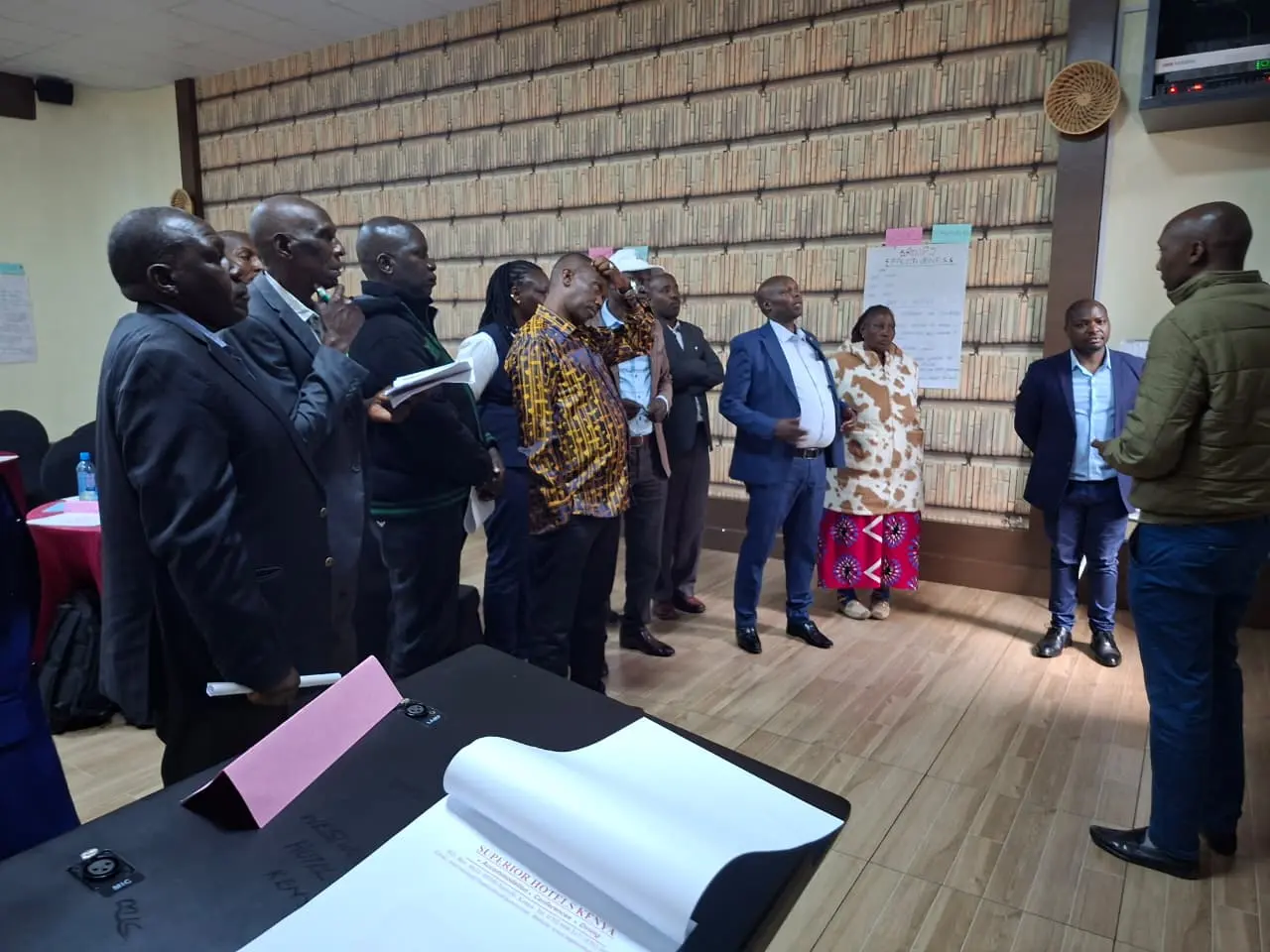
On 24 June 2026, MDF Eastern and Southern Africa (ESA) convened a validation workshop in Kenya to scrutinise the findings of the Agriterra’s 37-month Act Now programme in Kenya. This collaborative session allowed partners and dairy cooperatives to verify evaluation data, ensuring it accurately reflects the actual progress made in professionalising rural agricultural services.
Background and context
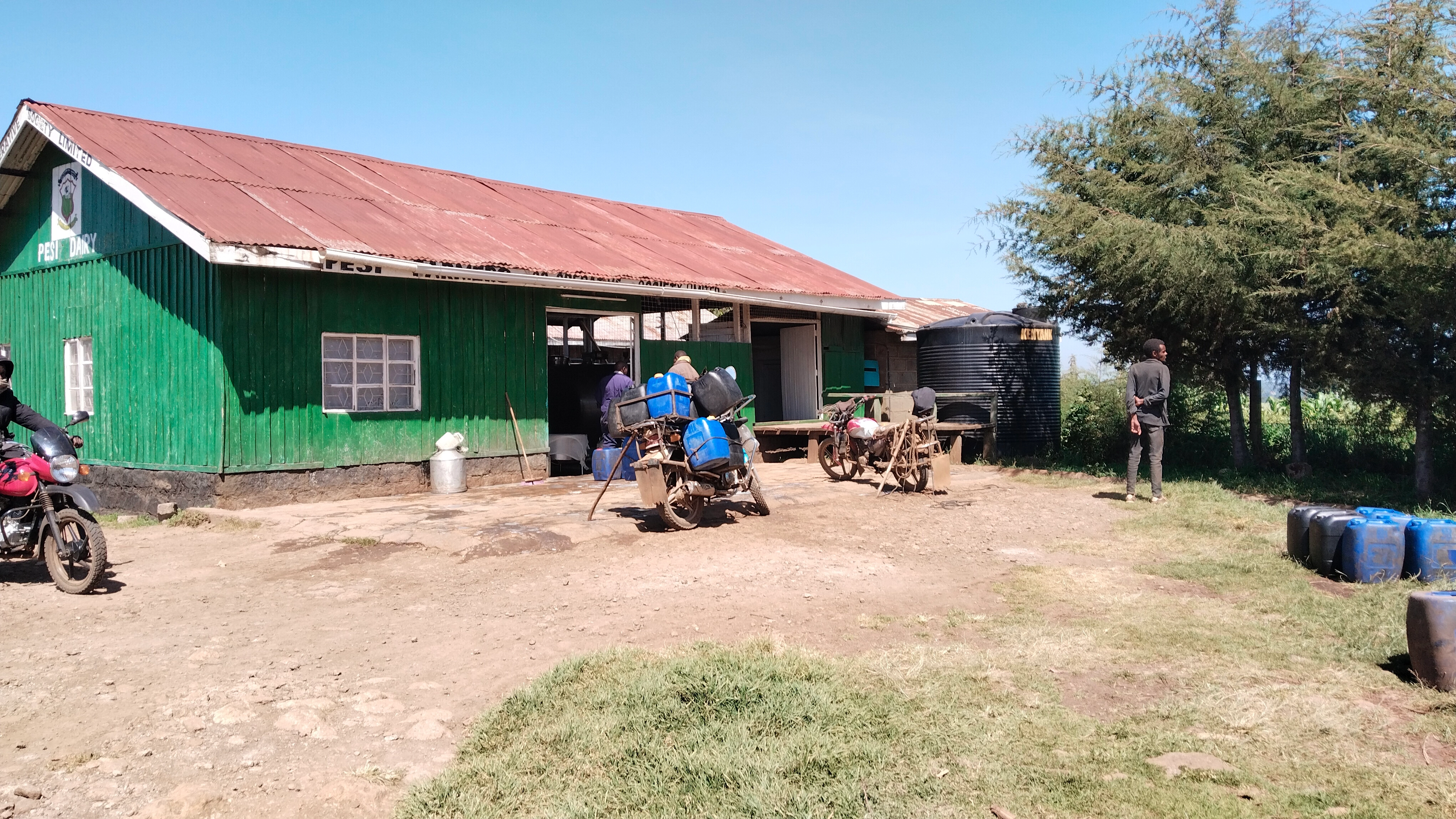
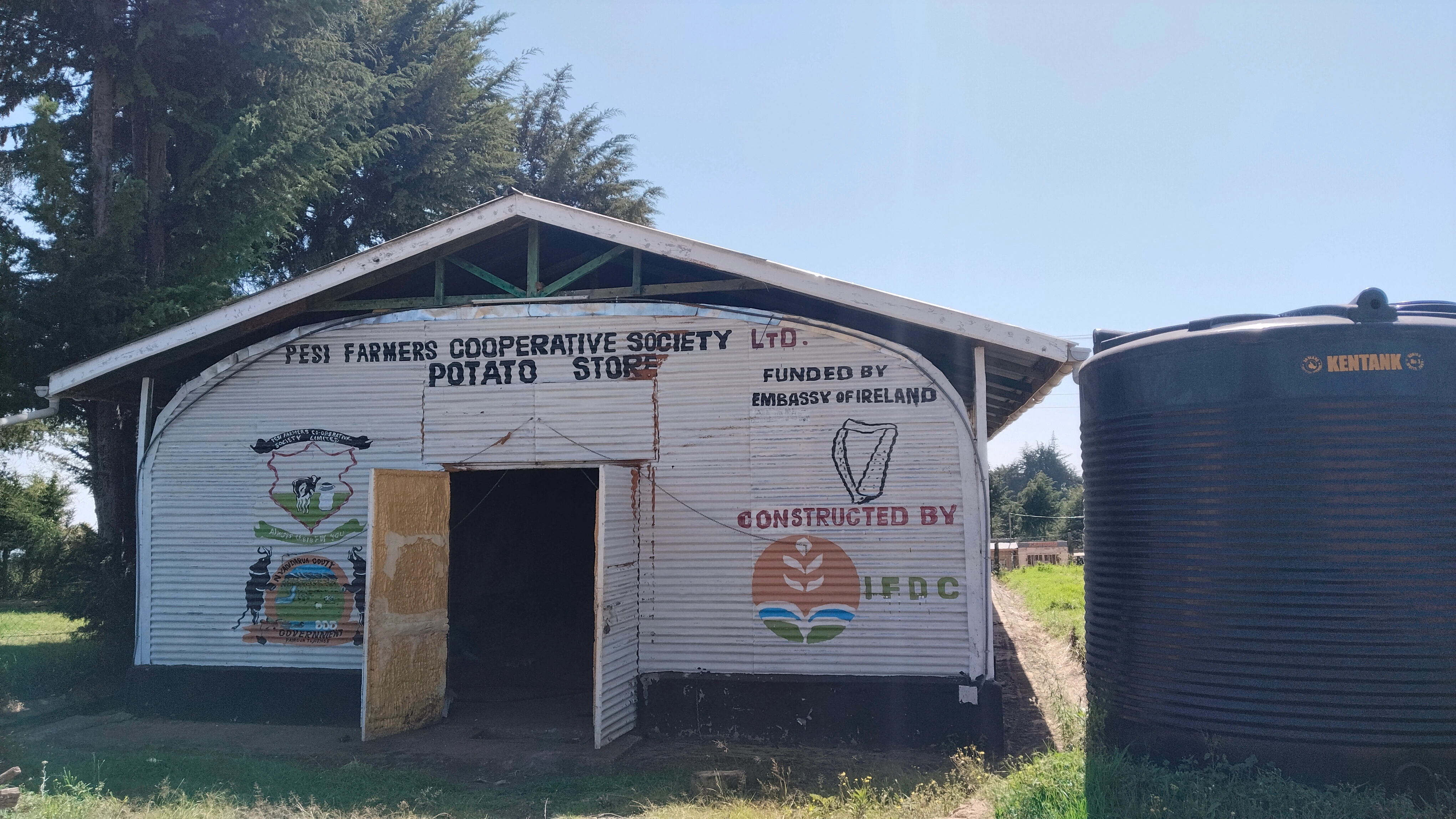
The Act Now programme, implemented by Agriterra, was designed to address food and nutrition security by building the organisational capacity of 20 Kenyan farmer organisations. The impact evaluation focused on 6 primary cooperatives including Kajiado Women FCS, Nyala DMCSL, Mumberes FCS, Kiplombe FCS, PESI FCS, AINAFCS to determine how effectively the programme has improved extension services and helped develop nutrition-conscious enterprises.
Situation and problem
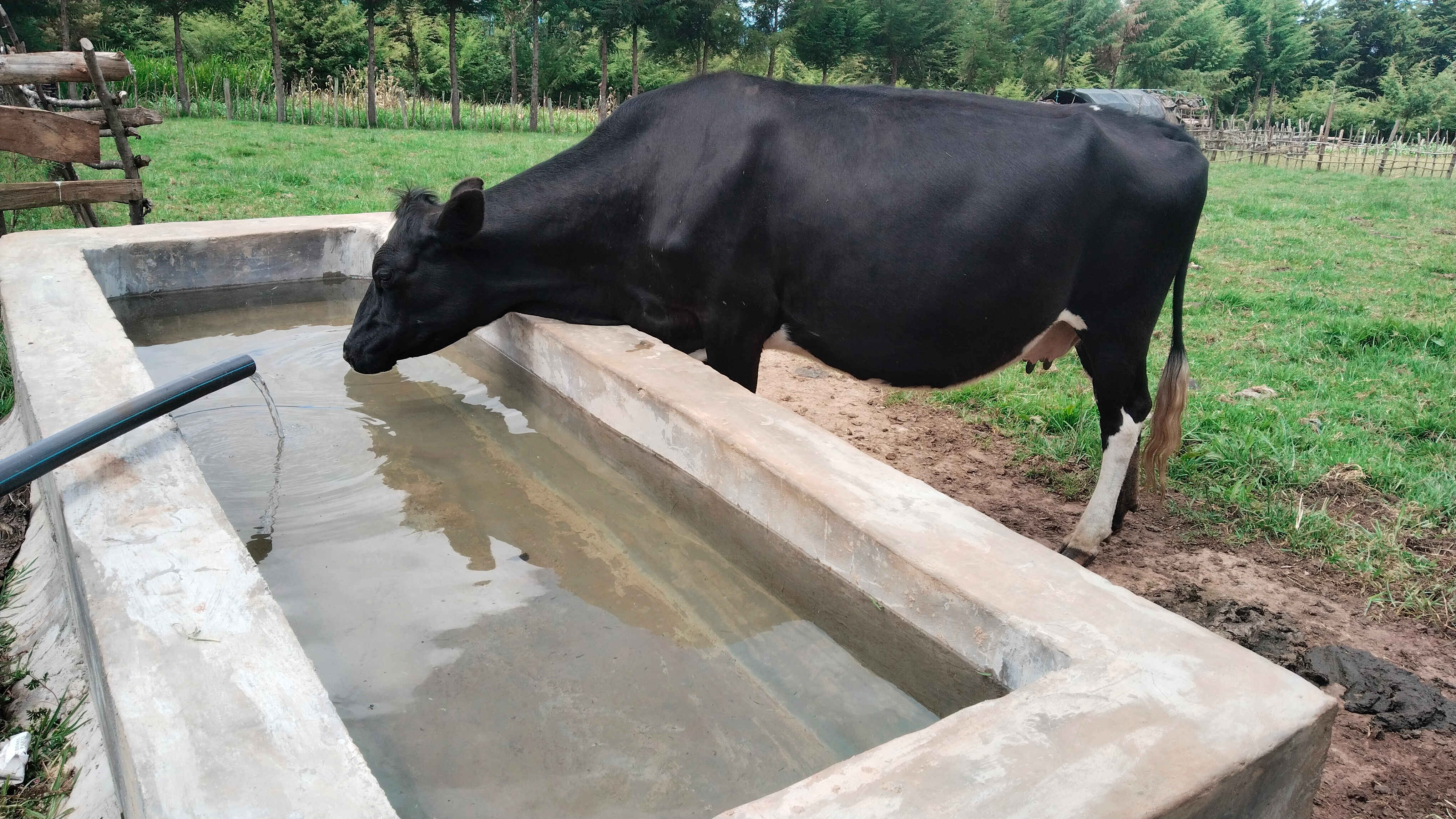
Prior to these interventions, many Kenyan dairy cooperatives faced significant systemic hurdles, including leadership gaps, inadequate governance systems, and a lack of enough technical extension staff. These challenges, compounded by high climate vulnerability and chronic fodder shortages, meant that many organisations were struggling to provide the market access and advisory support their members required to thrive.
What we did and how we approached it
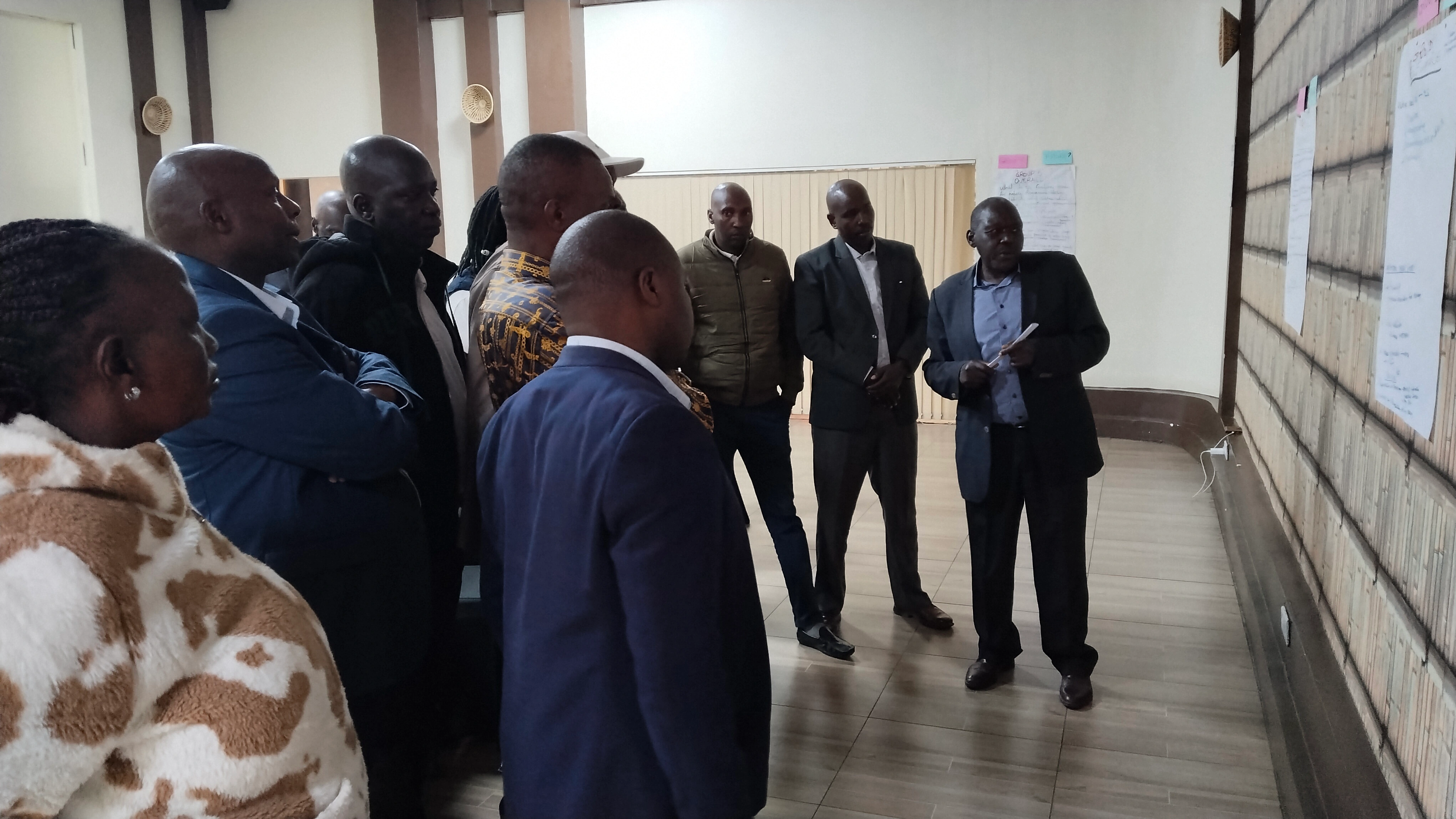
The workshop utilized a participatory validation approach, bringing together cooperative leaders and the Agriterra team to cross-examine preliminary findings gathered from the 6 farmer cooperatives. Participants were divided into evaluation criteria thematic groups to discuss the programme's relevance, effectiveness, and sustainability, usingtheir field expertise to enrich the evidence and suggest refinements for the final impact report.
What we learned and practical takeaways
The collaborative session yielded several critical insights for the future of the agricultural sector:
- The power of integration: The most sustainable results are generated by an integrated model that combines governance training, extension support, and enterprise development.
- Extension services drive adoption: Specialised extension officers were identified as the most important driver for farmers adopting improved animal health and breeding practices.
- Boosting inclusion: While the programme significantly increased women's control over dairy income, particularly in Kajiado, youth engagement in leadership and dairy farming remains a priority for future investment.
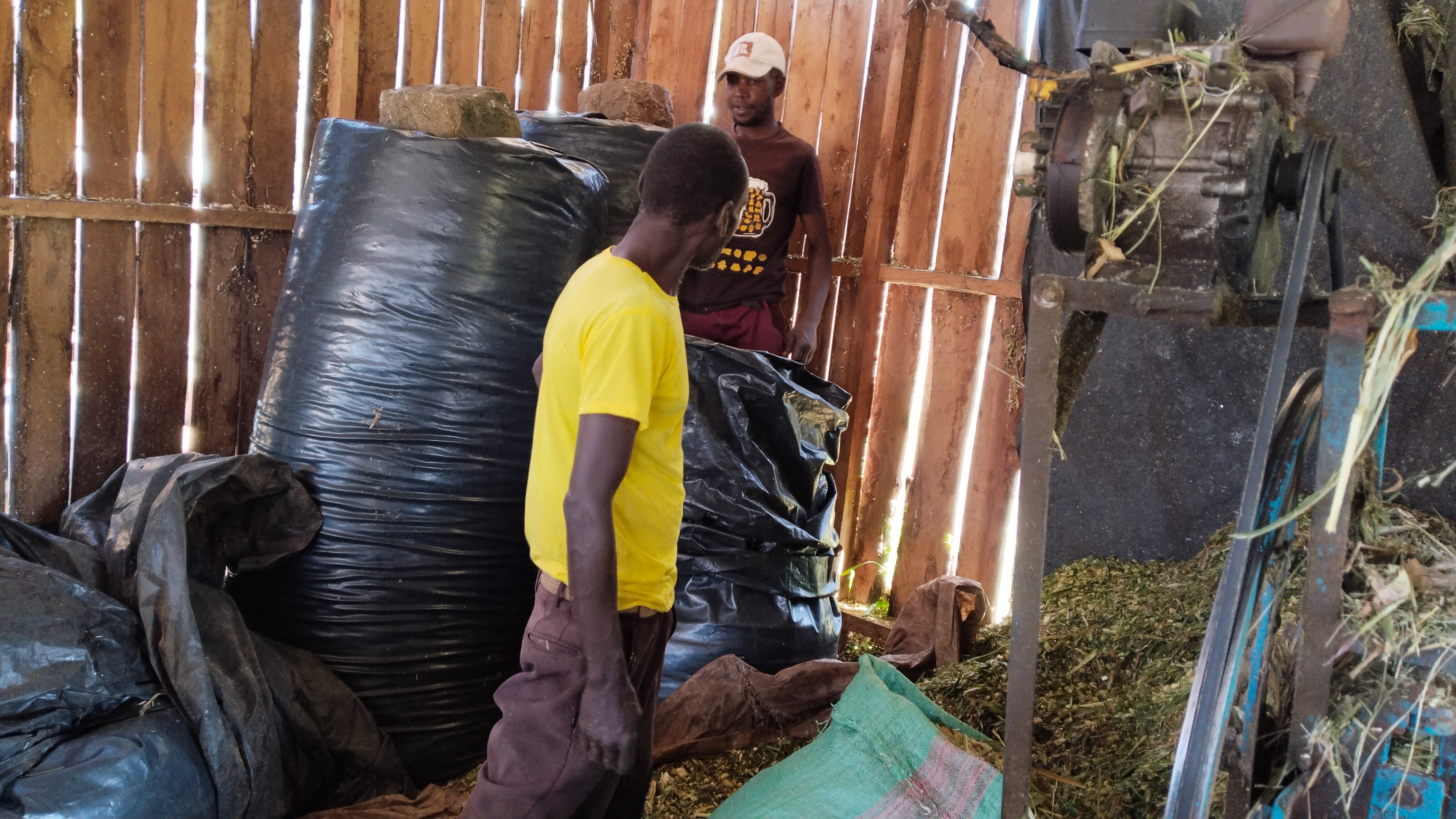
- Resilience is a foundation: Scaling commercial fodder production and conservation is vital for mitigating the impact of recurring droughts and seasonal feed shortages.
The evaluation findings (qualitative and quantitative study) will be shared at a sensemaking session in Ghana on 6 July 2026, ahead of the final evaluation report scheduled for August. This collaborative process ensures that the lessons learned from Act Now will effectively shape the design and scaling of the second phase and future agricultural programmes.


