



Behind every market that works, there are partnerships, timing, and countless small decisions that made it possible. MDF and Technopolis set out to understand exactly that while evaluating RVO's Impact Clusters programme, which connects Dutch and local organisations around real opportunities in emerging markets.
Commissioned by RVO (Netherlands Enterprise Agency), the evaluation covers 20 completed Impact Clusters projects across 12 countries. The programme aims to strengthen local private sector development while also supporting longer-term Dutch private sector engagement.
What we are looking at
At the heart of this evaluation is a practical question: how and under what conditions do cluster-based private sector interventions lead to meaningful and lasting outcomes?
The evaluation examines whether the programme’s Theory of Change still holds, what outcomes were achieved, what effects emerged, and under which conditions results are more likely to be sustainable. Its main purpose is learning and programme optimisation, with accountability as a secondary objective. The findings will also inform future rounds of the programme, as well as the broader PSD Toolkit end evaluation planned afterwards.
Why this approach fits the programme
Impact Clusters operates in complex settings, where results are influenced by a combination of actors, incentives, and local circumstances. For that reason, this evaluation uses a realist evaluation design, built around a Context-Mechanism-Outcome (CMO) approach.
The evaluation looks at how results emerged, for whom, in which contexts, and through which causal pathways. In other words, it is not only about outcomes on paper, but about understanding the conditions that helped make them possible.
Evidence brought together across the portfolio
The study combines multiple methods to build a nuanced picture of effectiveness, sustainability and additionality. These include document review, surveys among consortium members, interviews with RVO staff, PSD coaches, embassies and partners, web-scraping on international activity of Dutch firms, and six in-depth country case studies. The process was complemented by two participatory validation and sense-making workshops.
This mixed-methods design strengthens triangulation, helps test causal assumptions, and makes it possible to capture both portfolio-wide patterns and country-specific dynamics.
Where we are in the process
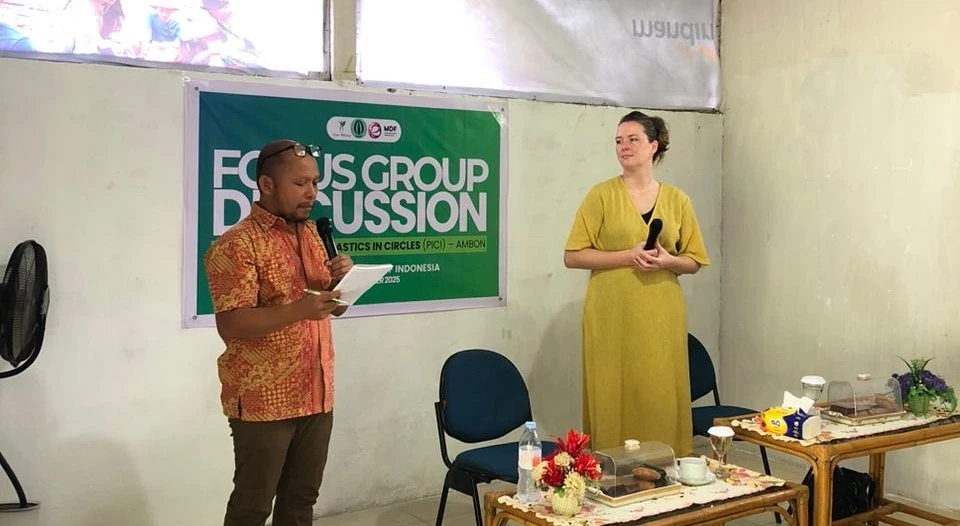
As part of the evaluation, MDF and Technopolis visited partners from six Impact Clusters in three countries: Ghana, Indonesia and Uganda. These field visits helped connect programme documentation and portfolio-level findings with the realities on the ground: how clusters function in practice, how partnerships evolve, and where value is created or lost over time.
The evaluation’s findings and recommendations were discussed with RVO and the Ministry of Foreign Affairs in a participatory learning session on 19 February 2026. The full study is available on the Impact Clusters subsidy programme page.
What the study is bringing to light
The study generated lessons on what makes cluster-based private sector support, within the timeline and finance-related boundaries of the Impact Clusters programme, more or less effective and sustainable. It also highlighted lessons for future programme design, including the importance of:
- Consortium composition
- Financial feasibility at beneficiary level
- Sustainability planning
Together, these insights help refine understanding of what is needed for cluster-based support to move beyond short-term activity and contribute to longer-term development outcomes.
What happens next
The evaluation provides a grounded basis for reflection on the future of the programme. By looking closely at both results and the conditions behind them, it supports more informed choices about how similar interventions can be designed, supported and sustained in the years ahead. The findings will also be featured in interactive workshops at the Impact Clusters Linking and Learning event on 25 June — registration is now open.


