


Improving economic inclusion for urban Ghanaians
The context and the challenge
Ghana’s cities are home to large numbers of low-income households, including urban youth, rural-urban migrants, and persons with disabilities. Despite existing social protection programmes, many of these groups remain outside the reach of economic support and financial services.
The World Bank’s Ghana Productive Safety Net Project 2 (GPSNP 2) includes a component called the Complementary Livelihood and Asset Support Scheme (CLASS), designed to better serve these groups. To do that effectively, the World Bank first needed a clear picture of their financial needs and which services were already accessible to them.
The approach: A multi-method assessment across seven cities
The World Bank commissioned MDF West Africa, with partner IDEMA International Development Management, to carry out the assessment between May and December 2022. The work covered five capital cities and two secondary cities across Ghana.
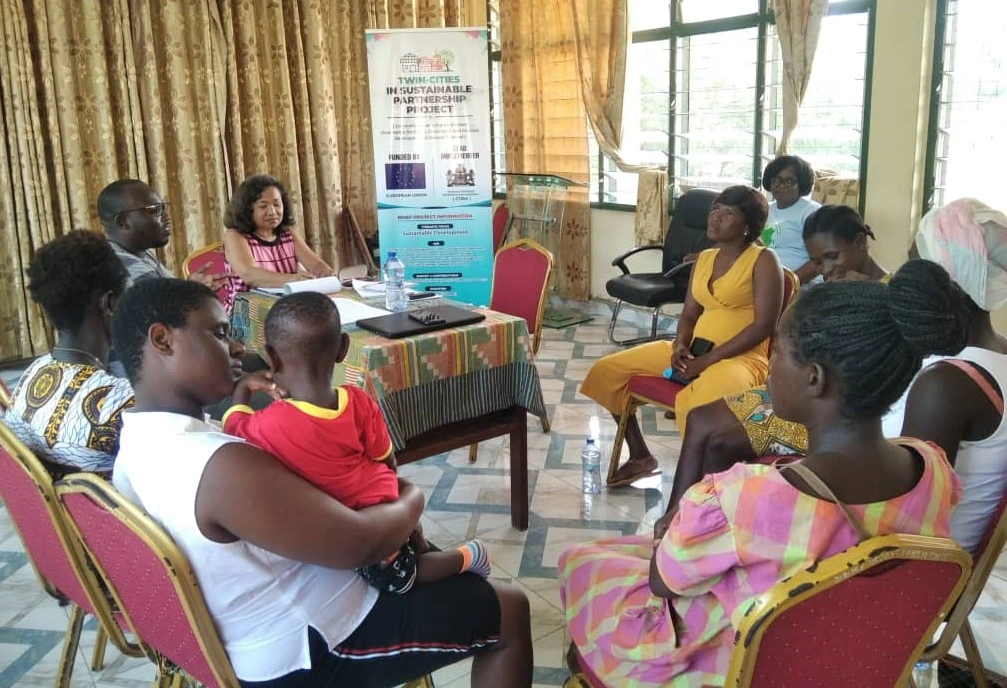
The assessment combined a survey of 450 respondents with focus group discussions involving 200 people from low-income urban households. MDF also conducted 51 interviews with national ministries, local government units, NGOs, and business service providers. A sense-making workshop with 45 participants then brought together initial findings for joint validation.
The results of the assessment will inform the design and implementation of the CLASS programme, working towards broader economic inclusion for urban Ghanaians.


