


.webp)
Coffee is affected by many moving parts: prices that rise and fall, weather that does not follow a script, and policy reforms that can quickly change who earns what in the value chain. Against this background, MDF and our partner L-IFT are currently evaluating IDH’s Coffee Farmer Income Resilience Program (CFIRP) in Kenya and Uganda, for IDH, the IKEA Foundation, implementing partners and sector actors to learn lessons for replication. The evaluation team includes L-IFT (partner, led by José Vahl), Mark van Dorp (team leader), Marlou Rijk (MDF Netherlands), James Ngugi (MDF Kenya), Esther Piracel (external consultant).
What we are looking at on the ground
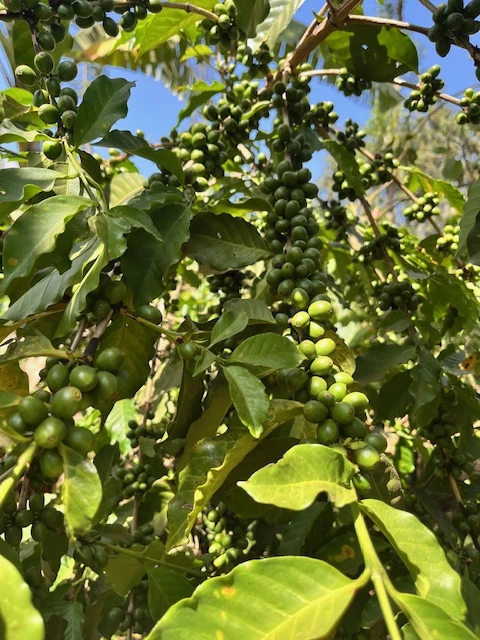
At the heart of this evaluation is a practical question: how do CFIRP’s blended Service Delivery Models work in real conditions? We are examining whether these models still fit farmers’ needs, whether they make business sense for traders, and whether they support farmers to adopt regenerative practices that can strengthen soil health and income resilience.
Why Contribution Analysis applies to this context
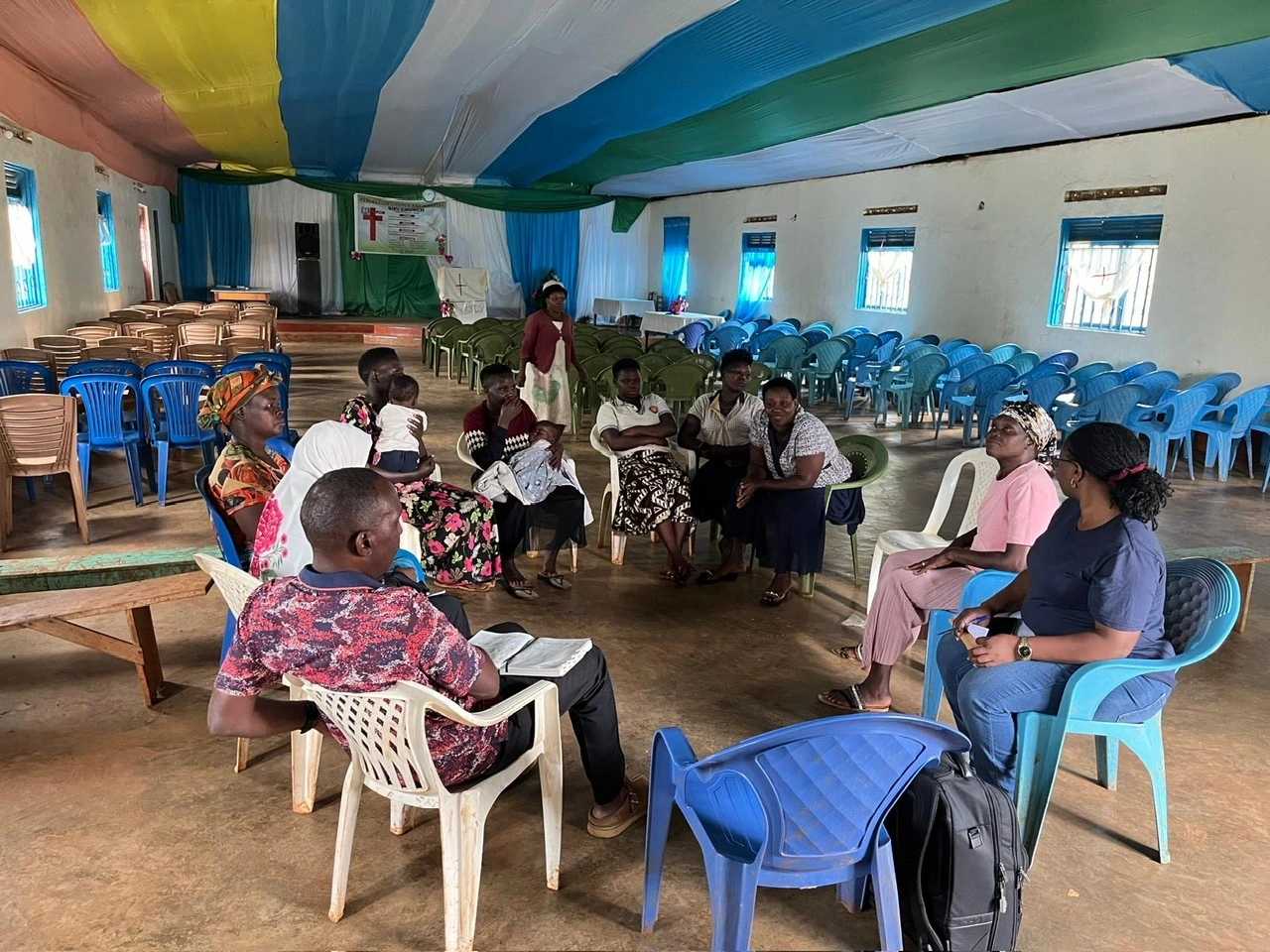
Because coffee systems are influenced by multiple factors at once, we are using a theory-based, mixed-method Contribution Analysis approach. Rather than trying to claim a single “cause”, this approach helps build a strong plausibility case by triangulating evidence. We compare results across baseline, midline and endline data, look at differences between farmers with different levels of service exposure, and test alternative explanations such as climate shocks, market volatility and reforms.
Evidence that we are bringing together
Our evidence includes an endline household survey, partner monitoring data, interviews and focus group discussions, and soil testing aligned with earlier rounds (analysed by CropNuts).
Where we are in the process
We are currently in the fieldwork and analysis phase until mid-March. However, early signals from our field visit in Kenya suggest several developments worth paying attention to.
.webp)
Early signals from the Kenya field visit
· A sector adapting fast: Recent coffee-sector reforms appear to be changing how money and incentives flow in the value chain, and some service delivery models are adjusting their approach rather than continuing “business as usual”.
· Cooperatives taking a central role: Cooperatives are increasingly organising services for farmers, including advances/input finance and working with partners to bring services closer to farmers.
· Practical interest in regenerative options: Farmers’ early feedback points to strong interest in regenerative agriculture and diversification activities that feel useful in day-to-day farming, including composting and dairy-related options.
· Local delivery, local entrepreneurship: In some places, lead farmers/promotors are not only supporting peers, but are also starting small paid services (for example, composting workshops or nurseries). If validated, this could be a promising pathway for sustainability.

What happens next
The full evidence base will be analysed and validated in the following phases of the evaluation. This will ensure that learning is grounded, and accountability is supported by what the data can credibly show.


